Vital
HbA1c (A1C)
Blood Sugar (A1c)
HbA1c, or A1C, measures your average blood sugar over the past 2–3 months. It helps identify diabetes risk and shows how well blood sugar is being managed over time.
Recommended Range
Normal: 4-5.9%
Pre-diabetes: 6-6.4%
Diabetes: >6.5%
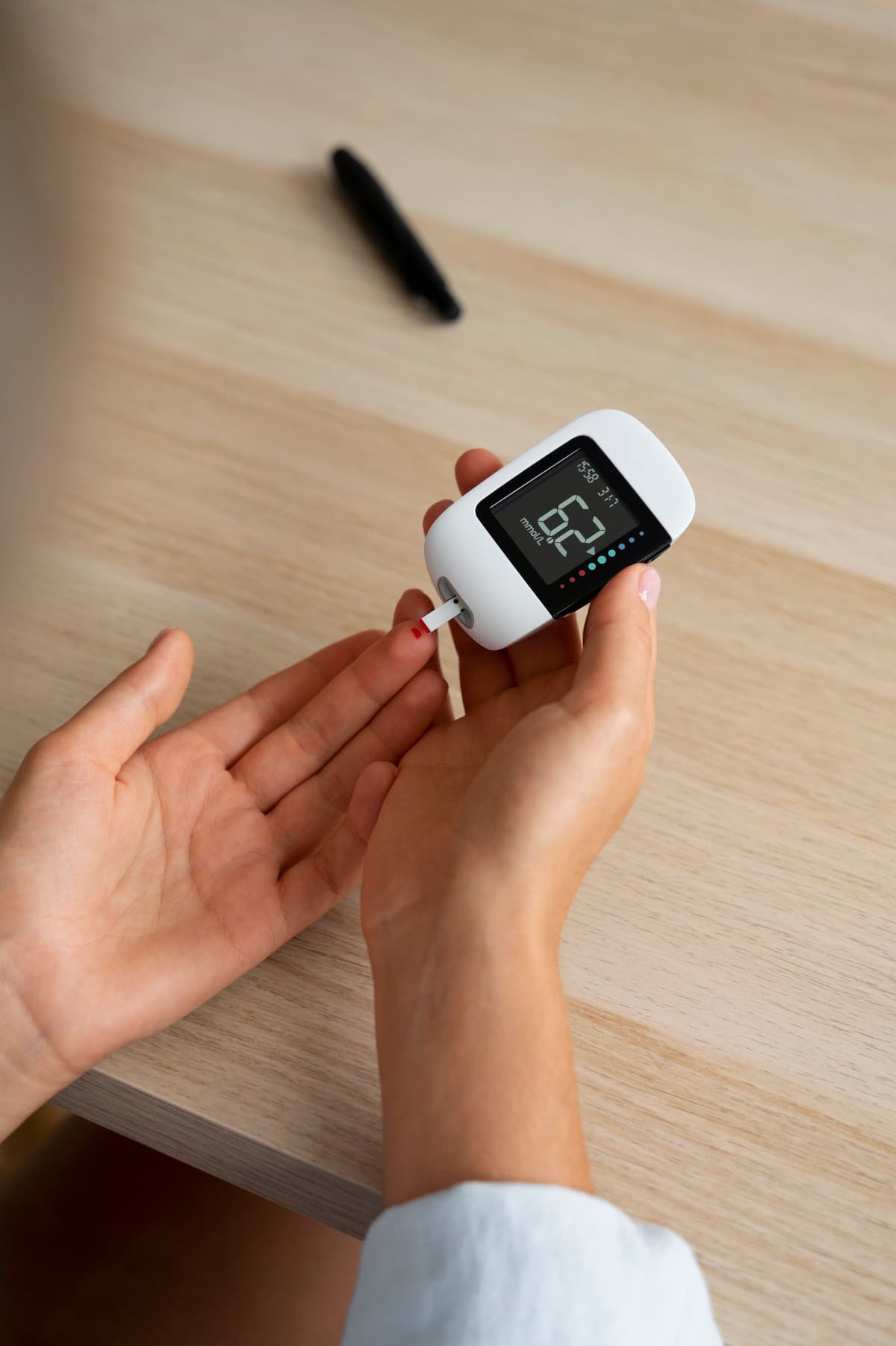
What Is HbA1c and Why It Matters
HbA1c, or A1C, is a simple blood test that shows your average blood sugar levels over the past two to three months. It measures how much glucose is attached to hemoglobin, a protein in your red blood cells. Because red blood cells live for several months, this test provides a longer-term view of blood sugar control compared to daily finger-stick readings.
For older adults, HbA1c is especially important because it helps detect prediabetes and diabetes early, even before noticeable symptoms appear. It also allows healthcare providers to monitor how well treatments and lifestyle changes are working over time.
Keeping HbA1c within a healthy range can reduce the risk of serious complications such as heart disease, kidney problems, nerve damage, and vision loss. By focusing on long-term trends rather than daily fluctuations, HbA1c offers a clearer and more reliable picture of overall metabolic health.
Risks of Poor HbA1c Levels Control
When HbA1c levels stay too high or drop too low, it can increase the risk of serious health problems—especially for older adults. Because HbA1c reflects long-term blood sugar control, consistently unbalanced levels may signal ongoing strain on the body.
High HbA1c levels over time are linked to complications such as heart disease, stroke, kidney damage, nerve pain, and vision loss. These conditions can develop gradually and may affect independence and quality of life if not managed early.
On the other hand, trying to lower HbA1c too aggressively can also be risky. Very low blood sugar (hypoglycemia) can lead to dizziness, confusion, falls, or even hospitalization—concerns that are particularly important for seniors.
The goal is not just to lower HbA1c, but to keep it within a safe and personalized range. Balanced control helps reduce long-term risks while avoiding sudden drops in blood sugar that can be dangerous.
Other Valuable Information:
HbA1c is a helpful tool, but it does not tell the whole story of your blood sugar health. It reflects an average, which means it may not show daily highs and lows. Some people may have a “normal” HbA1c but still experience large swings in blood sugar throughout the day.
Certain health conditions can also affect HbA1c results. For example, anemia, kidney disease, or conditions that impact red blood cells may make readings less accurate. In these cases, healthcare providers may use additional tests to get a clearer picture.
It’s also important to know that HbA1c goals can vary from person to person. Older adults, especially those with multiple health conditions, may benefit from slightly higher targets to reduce the risk of low blood sugar.
Regular testing—typically every 3 to 6 months—can help track changes over time and guide adjustments to diet, activity, or medications. When used alongside other health information, HbA1c becomes a powerful tool for maintaining long-term wellness.
Monitoring and Medical Support
Regular monitoring is key to keeping HbA1c levels in a healthy range. For most older adults, healthcare providers recommend testing every 3 to 6 months, depending on individual needs and treatment plans. These routine checks help track long-term trends and identify when changes may be needed.
In addition to HbA1c tests, some individuals may also benefit from periodic blood glucose monitoring at home. This can provide insight into daily patterns, such as how meals, activity, or medications affect blood sugar levels.
Working closely with a healthcare provider is essential. They can help set a personalized HbA1c target based on overall health, age, and risk factors. They may also adjust medications, recommend lifestyle changes, or suggest additional support such as nutrition counseling or diabetes education.
Consistent follow-up care helps ensure that HbA1c levels are managed safely and effectively, reducing the risk of complications while supporting long-term health and independence.
Strategies for Managing HbA1c Levels in Seniors (A Holistic Approach):
Managing HbA1c in older adults works best when it focuses on the whole person—not just blood sugar numbers. A balanced approach combines healthy habits, medical support, and daily routines that are realistic and sustainable.
Balanced nutrition: Focus on whole foods like vegetables, lean proteins, and whole grains. Limit added sugars and refined carbohydrates to help stabilize blood sugar levels.
Regular physical activity: Gentle exercises such as walking, stretching, or swimming can improve insulin sensitivity and support steady glucose control.
Medication management: Taking medications as prescribed is essential. Regular reviews with a healthcare provider can ensure treatments remain safe and effective.
Consistent routines: Eating meals at regular times and maintaining a daily schedule can help prevent large swings in blood sugar.
Weight management: Even modest weight changes can improve HbA1c levels and overall health.
Stress reduction: Practices like deep breathing, meditation, or spending time with others can help lower stress-related blood sugar increases.
Quality sleep: Getting enough rest supports hormone balance and better glucose control.
Social and emotional support: Staying connected with family, friends, or support groups can improve motivation and overall well-being.
A holistic approach recognizes that small, steady changes often lead to the most meaningful and lasting improvements in HbA1c and overall health.
Physical Activity for Controlling HbA1c Levels
Regular physical activity plays an important role in managing HbA1c levels, especially for older adults. Movement helps the body use insulin more effectively, which can lower blood sugar levels over time and improve overall metabolic health.
Low-impact activities are often the most sustainable and safest for seniors. Walking, swimming, cycling, or chair exercises can all support better glucose control without putting excess strain on the joints. Even short sessions—such as 10 to 15 minutes at a time—can make a meaningful difference when done consistently.
Strength and balance exercises are also valuable. Light resistance training, such as using bands or small weights, helps maintain muscle mass, which supports better blood sugar regulation. Balance-focused activities like tai chi or gentle yoga can reduce fall risk while improving coordination and confidence.
Consistency matters more than intensity. Aim for regular movement most days of the week, while allowing time for rest and recovery. It’s also helpful to pay attention to how your body responds, especially if you are taking medications that affect blood sugar.
With the right approach, physical activity can be a safe and effective way to support healthier HbA1c levels and improve overall quality of life.
Strategies for Managing HbA1c Levels in Seniors (A Holistic Approach):
Managing HbA1c in older adults is most effective when it goes beyond a single focus and supports overall health. A holistic approach looks at daily habits, medical care, and lifestyle factors together, helping create steady and sustainable blood sugar control.
Nutritious eating patterns: Emphasize fiber-rich foods, lean proteins, and healthy fats. Balanced meals help prevent sharp blood sugar spikes and dips.
Regular, gentle movement: Activities like walking, stretching, or water exercise improve how the body uses insulin and support stable glucose levels.
Medication and care coordination: Taking medications as prescribed and reviewing them regularly with a healthcare provider ensures safe and effective treatment.
Consistent daily routines: Eating, sleeping, and staying active at similar times each day can help regulate blood sugar more predictably.
Healthy weight support: Small, gradual changes in weight can improve HbA1c and reduce strain on the body.
Stress management: Chronic stress can raise blood sugar. Simple practices like deep breathing, hobbies, or social time can help.
Restful sleep: Good sleep supports hormone balance and better glucose regulation.
Social connection and support: Staying engaged with others can improve motivation, mood, and long-term adherence to healthy habits.
A holistic strategy recognizes that lasting improvements in HbA1c often come from small, consistent changes that fit comfortably into daily life.
Lifestyle Practices for Support
Everyday lifestyle habits play a powerful role in supporting healthy HbA1c levels. Small, consistent choices can help stabilize blood sugar and improve overall well-being over time.
Eat balanced meals: Include a mix of protein, fiber, and healthy fats to help slow sugar absorption and maintain steady energy levels.
Stay hydrated: Drinking enough water supports proper metabolism and can help regulate blood sugar.
Maintain a routine: Regular meal times and sleep schedules help the body manage glucose more efficiently.
Limit added sugars: Reducing sugary drinks and processed foods can prevent sudden spikes in blood sugar.
Stay mentally engaged: Activities like reading, puzzles, or hobbies support cognitive health and reduce stress.
Practice relaxation techniques: Deep breathing, meditation, or gentle stretching can help lower stress-related blood sugar increases.
Prioritize sleep: Aim for consistent, restful sleep to support hormone balance and overall metabolic health.
These lifestyle practices work best when they are simple, enjoyable, and easy to maintain, helping support long-term HbA1c control and a better quality of life.
Important Notice
The information provided here is for educational purposes only and should not replace professional medical advice. Always consult with your healthcare provider about your specific health needs and recommended vital ranges.
Learn more about your health
Explore other vital health metrics to better understand your overall wellness.